Can You Mix Lestoil with Bleach? Safety Guide & Warnings
We get this question often: can you mix Lestoil with bleach to boost cleaning power? The short answer is no — never combine Lestoil with bleach or any chlorine-based cleaner.
Mixing these two products creates a dangerous chemical reaction that releases toxic fumes. Understanding why this happens and how to safely use each cleaner separately is essential for protecting your household. In this guide, we’ll walk through the chemistry behind the hazard, explain safe usage practices for both products, and answer the most common safety questions we hear from customers.
Why Mixing Lestoil and Bleach Is Dangerous
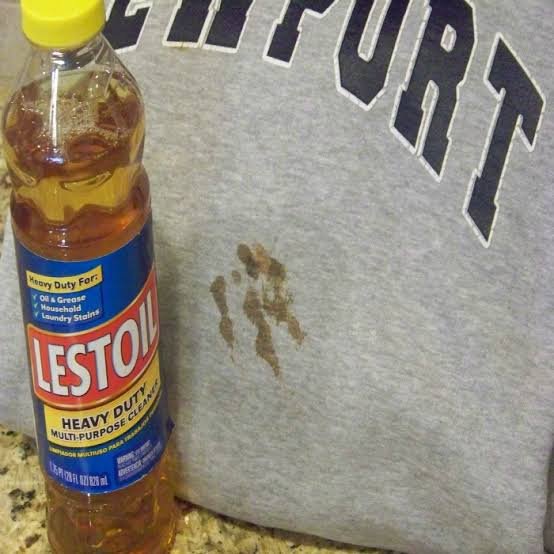
Lestoil is a petroleum-based solvent cleaner formulated to cut through grease, oil, and heavy soil. Bleach (sodium hypochlorite) is an oxidizing agent that disinfects and whitens.
When you combine a petroleum solvent with an oxidizer like bleach, the mixture can produce chlorinated hydrocarbons and release chlorine gas — both highly toxic. Chlorine gas irritates the respiratory system immediately, causing coughing, burning eyes, difficulty breathing, and in severe cases, permanent lung damage. This reaction happens quickly once the liquids come into contact, often before you realize the danger.
The chlorine gas poisoning risk from improper cleaner mixing is well-documented. Even small amounts of the gas in an enclosed space can overwhelm a person within minutes. Never assume ventilation alone makes the combination safe — the only safe approach is to never mix these products at all.
Safe Usage Practices for Each Cleaner
Both Lestoil and bleach are effective cleaners when used correctly on their own. Use Lestoil for degreasing engines, removing oil stains from concrete, cutting built-up grime on tools, and tackling stubborn grease on stovetops or grills. Always apply it in a well-ventilated area and follow the dilution instructions on the label.
For disinfecting tasks — bathroom surfaces, mold remediation, sanitizing cutting boards — bleach is the right choice. Dilute household bleach according to CDC guidance (typically 1/3 cup per gallon of water for general disinfection), and never apply it to surfaces that still have residue from Lestoil or any other petroleum-based cleaner.
The Critical Waiting Period
If you’ve cleaned a surface with Lestoil and later want to disinfect it with bleach, rinse the surface thoroughly with plain water first. Let the area dry completely, then wait at least 24 hours before applying any bleach solution. This waiting period ensures all solvent residue has evaporated and prevents any cross-contamination of product films.
What to Do If Accidental Mixing Occurs
If you accidentally combine Lestoil and bleach, or if you apply one product over wet residue of the other, leave the area immediately. Do not try to clean up the spill yourself.
Open all windows and doors to ventilate the space. If anyone experiences coughing, chest tightness, dizziness, or difficulty breathing, move them to fresh air and call emergency services right away. Chlorine gas exposure is a medical emergency.
Once the area is safely ventilated and everyone is out, contact your local poison control center at 1-800-222-1222 for spill cleanup guidance. In most cases, they’ll advise letting the mixture evaporate naturally with maximum ventilation rather than attempting to wipe or mop it while fumes are still present.

Understanding Lestoil’s Formula and Compatibility
Lestoil’s effectiveness comes from its petroleum distillate base combined with surfactants that emulsify oil and grease. This formula makes it incompatible with oxidizing agents like bleach, hydrogen peroxide, and oxygen-based cleaners.
The ingredients and safety profile are designed for one purpose: breaking down hydrocarbon-based soils that water and detergents can’t touch. That specialization is also what makes it chemically reactive with certain other cleaners.
Never mix Lestoil with ammonia-based products either. While that combination doesn’t produce chlorine gas, it can still release harmful fumes and reduce the effectiveness of both cleaners. Stick to using Lestoil alone, diluted only with water as the label directs.
Keep These Cleaners Separate for Safe, Effective Results
Lestoil and bleach are both powerful tools for tackling different cleaning challenges, but they must never be combined. The chemical reaction between petroleum solvents and chlorine bleach creates immediate health hazards that no amount of ventilation or dilution can make safe.
Use each product for its intended purpose: Lestoil for cutting grease and oil, bleach for disinfecting and whitening. Always rinse surfaces completely and allow drying time before switching between cleaners. By respecting the chemistry and following safe handling practices, you’ll get the results you need without putting anyone at risk.
Notes
No. Dilution does not eliminate the chemical incompatibility between petroleum solvents and chlorine bleach. Even diluted versions of both products will react and produce toxic chlorine gas when combined. Always use each product separately and rinse surfaces thoroughly between applications.
Wait at least 24 hours after thoroughly rinsing the Lestoil residue with plain water. The surface should be completely dry before you apply any bleach solution. This waiting period prevents any remaining solvent film from reacting with the bleach.
Early symptoms include burning eyes, coughing, throat irritation, and chest tightness. Higher exposures cause difficulty breathing, wheezing, nausea, and vomiting. Severe cases can lead to fluid in the lungs and require emergency medical treatment. If you experience any of these symptoms after mixing cleaners, get to fresh air immediately and call 911.
Yes, as long as the products never come into direct contact with each other or with surfaces that still have residue from the other cleaner. Use them at different times, rinse any shared tools or buckets thoroughly between uses, and ensure good ventilation. The danger is in mixing the liquids themselves, not in storing or using them in the same space separately.
Thorough rinsing with water is the only reliable way to remove Lestoil residue before using bleach. Do not attempt to neutralize it with other chemicals, as that introduces additional reactions and risks. Plain water, scrubbing, and drying time are the safest approach.
Never mix Lestoil with ammonia, hydrogen peroxide, oxygen bleach, or any product labeled as an oxidizer or disinfectant. These combinations can produce harmful fumes or reduce cleaning effectiveness. Lestoil works best when used alone, diluted only with water.