Can You Use Lestoil on Wood Floors? What to Know Before Cleaning Hardwood
Wood floors are a long-term investment, and choosing the wrong cleaner can strip finish, dull shine, or leave residue that attracts more dirt. Lestoil’s reputation as a heavy-duty degreaser raises an obvious question: can you use Lestoil on wood floors without damaging the surface?
The short answer is that Lestoil can work on certain sealed hardwood floors when properly diluted, but it’s not a universal hardwood cleaner. Understanding your floor’s finish type, dilution requirements, and when to skip Lestoil entirely will help you clean effectively without risking the wood underneath.
When Lestoil Is Safe for Hardwood — and When It’s Not
Lestoil’s pine-oil formula cuts grease and grime, but its strength is also its liability on wood. Sealed polyurethane floors can tolerate properly diluted Lestoil because the finish acts as a barrier between the cleaner and the wood grain. Factory-finished engineered floors and site-finished solid hardwood with a glossy or satin polyurethane topcoat fall into this category.
Unsealed and Oil-Finished Floors
Unsealed floors, wax-finished floors, and oil-treated hardwood absorb liquid directly into the grain. Using Lestoil on these surfaces can cause discoloration, streaking, or a sticky residue that’s nearly impossible to remove. If you’re unsure whether your floor is sealed, place a drop of water on an inconspicuous spot — if it beads up, the floor is sealed; if it soaks in within a few minutes, it’s not.
Older floors refinished decades ago may have worn thin in high-traffic areas, exposing raw wood even if the rest of the surface is sealed. In those cases, spot-testing Lestoil in a closet or under furniture is the only way to know whether it will leave marks.
Correct Dilution Ratios and Application Method
Straight Lestoil is too concentrated for any wood floor, sealed or not. The standard dilution for light cleaning is one-quarter cup of Lestoil per gallon of warm water. For heavier soil — grease tracked in from a garage, for example — increase to one-half cup per gallon, but never exceed that ratio on hardwood.
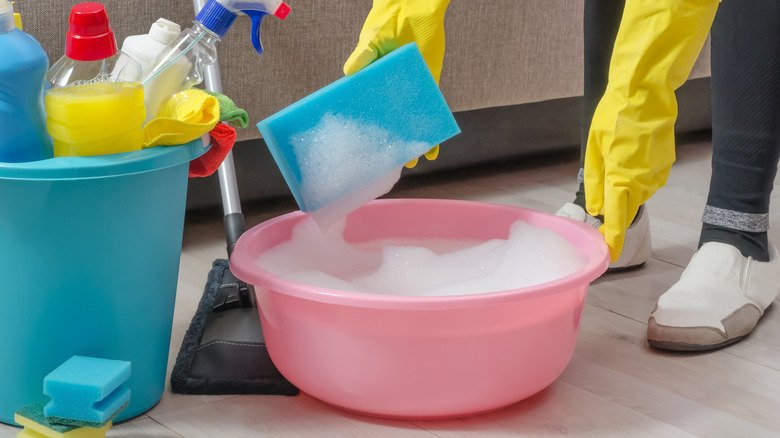
Apply the solution with a damp mop, not a soaking-wet one. Excess water can seep into seams and cause swelling or cupping, even on sealed floors. Wring the mop thoroughly so it’s just damp to the touch, then work in sections, drying each area with a clean towel before moving on.
After the first pass, rinse the floor with plain water using a separate damp mop to remove any cleaner residue. Skipping the rinse step often leaves a hazy film that attracts dust and makes the floor look dull within hours. Our guide to Lestoil’s intended applications covers the dilution principles that carry over from other hard surfaces to sealed wood.
What Happens If You Use Too Much Lestoil on Wood
Over-concentrated Lestoil can strip the polyurethane finish on sealed floors, leaving dull patches that feel rough to the touch. Once the finish is compromised, the wood underneath is exposed to moisture, dirt, and future damage. Refinishing is the only fix, and it’s expensive.
On unsealed or oil-finished floors, undiluted or heavily concentrated Lestoil soaks into the grain and leaves a sticky, darkened residue. Sanding the affected area is sometimes necessary to restore the original color. Even with proper dilution, repeated use of Lestoil on oil-finished floors can build up a waxy layer that traps dirt.
Signs You’ve Used the Wrong Strength
If the floor feels tacky after drying, or if a white haze appears once the water evaporates, the solution was too strong or wasn’t rinsed properly. Mop the area again with plain water, then dry thoroughly. If the stickiness persists, a pH-neutral hardwood cleaner can help lift the residue without further damaging the finish.

Better Alternatives for Regular Wood Floor Maintenance
Lestoil’s heavy-duty formula is overkill for routine cleaning. Most sealed hardwood floors stay clean with a pH-neutral hardwood cleaner or a simple solution of a few drops of dish soap in warm water. These options remove everyday dust and light soil without the risk of finish damage or residue buildup.
For stubborn spots — scuff marks, dried food, sticky spills — a damp microfiber cloth with a drop of Lestoil can work as a spot treatment, as long as you rinse immediately with plain water. This targeted approach limits exposure to the wood and reduces the chance of streaking.
Unsealed floors benefit from periodic re-oiling or waxing instead of wet cleaning. If dirt has accumulated on an oil-finished floor, a specialized wood soap designed for unsealed surfaces is the safer choice. The range of wood flooring types and finishes is wide enough that no single cleaner suits every installation, and choosing the wrong one shortens the floor’s lifespan.
Choosing the Right Approach for Your Floor’s Finish
Whether Lestoil belongs in your hardwood floor care routine depends entirely on the type of finish protecting the wood. Sealed polyurethane floors can tolerate careful, diluted use when heavier cleaning is needed, while unsealed and oil-finished surfaces should never see Lestoil at all.
The safest strategy is to reserve Lestoil for occasional deep cleaning of sealed floors and rely on pH-neutral hardwood cleaners for weekly maintenance. Taking a few extra minutes to test, dilute properly, and rinse thoroughly protects the finish you’ve invested in and keeps the floor looking its best for years.
Notes
Laminate flooring has a plastic wear layer over a photo-printed wood image, not actual wood or polyurethane. Lestoil can work on laminate if diluted to one-quarter cup per gallon, but laminate-specific cleaners are safer because they’re formulated not to leave streaks on the plastic surface. Always wring the mop nearly dry — laminate seams are more vulnerable to water damage than sealed hardwood seams.
Even properly diluted, Lestoil is a deep cleaner, not an everyday maintenance product. Limit use to once a month or only when the floor has heavy soil that a pH-neutral cleaner won’t lift. Weekly or bi-weekly use risks gradual finish wear and residue buildup. For routine cleaning between Lestoil treatments, stick to a damp mop with plain water or a hardwood-specific cleaner.
Re-mop the floor immediately with plain warm water and a clean, damp mop, wringing it out thoroughly between passes. Dry each section with a towel as you go to lift the residue. If stickiness persists after two rinses, use a pH-neutral hardwood cleaner to break down the remaining film. Avoid adding vinegar or other acids — they can dull the polyurethane finish.
Factory-finished engineered floors have a durable UV-cured polyurethane coating that can handle properly diluted Lestoil, just like site-finished solid hardwood. The same dilution and damp-mop rules apply. Check the manufacturer’s care instructions first — some warranties void coverage if non-approved cleaners are used, even if the cleaner itself doesn’t cause visible damage.
Never mix Lestoil with bleach — the combination produces toxic fumes. Mixing Lestoil with vinegar dilutes its effectiveness and adds unnecessary acidity that can etch polyurethane over time. Use Lestoil on its own, diluted with plain warm water only. If you need extra degreasing power, increase the Lestoil concentration slightly rather than adding other chemicals.
Lestoil can soften and lift some wax, but it’s not a dedicated wax stripper. For floors with thick wax buildup, a product specifically labeled as a wax remover or stripper is more effective and less likely to damage the finish underneath. If you try Lestoil for light wax removal, test it in a hidden area first and be prepared to rinse multiple times.