How to Use Lestoil on Grease, Oil, and Heavy-Duty Stains — Step-by-Step Application Guide
Lestoil has been a trusted name in heavy-duty cleaning since 1933, known for cutting through grease, oil, and stubborn stains that ordinary detergents leave behind. Whether you’re tackling work clothes soaked in motor oil or reviving a favorite shirt after a cooking mishap, knowing how to use Lestoil correctly makes all the difference.
This guide walks you through every application method — from pre-treating laundry stains to deep-cleaning hard surfaces — so you get the most out of every drop. We’ll cover dilution ratios, surface compatibility, and the techniques our customers have relied on for decades.
Pre-Treating Laundry Stains with Lestoil
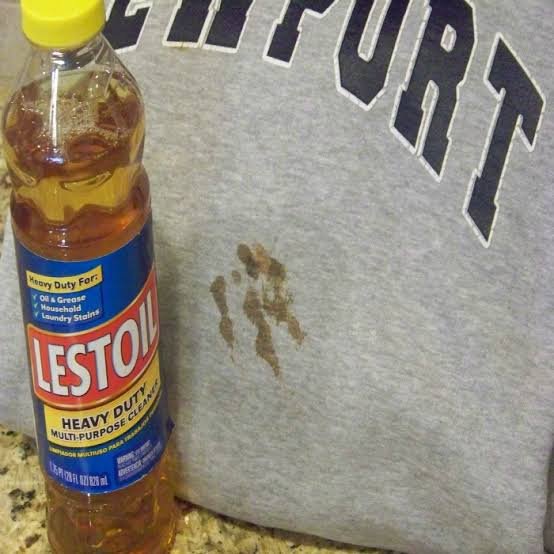
For set-in grease and oil stains, apply Lestoil directly to the affected area before washing. Work a small amount into the fabric with your fingers or a soft brush, then let it sit for 3-5 minutes — this dwell time allows the solvent to break down petroleum-based residues.
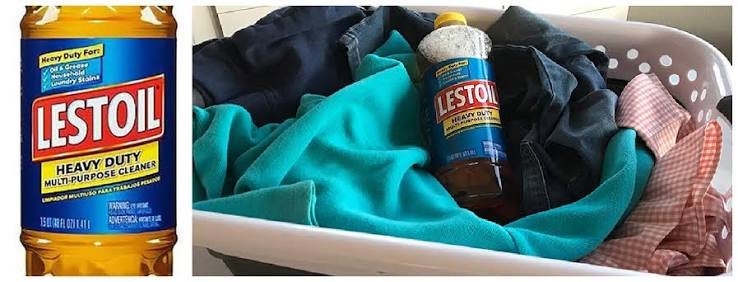
After pre-treating, launder the garment as usual with your regular detergent. For heavy stains on work uniforms or shop rags, you can add a capful of Lestoil to the wash cycle itself for extra cleaning power. Always check the care label first — Lestoil works on most washable fabrics, but delicate silks and wool require gentler treatment.
When to Add Lestoil to the Wash Cycle
If you’re dealing with multiple soiled items or a full load of work clothes, skip individual pre-treating and pour a quarter-cup of Lestoil into the washer drum before adding detergent. This method distributes the cleaner evenly and tackles grease across the entire load. The same solvent strength found in our concentrated cleaner format ensures consistent results whether you’re treating one stain or twenty.
Dilution Ratios for Hard Surfaces and Deep Cleaning
Lestoil isn’t just for laundry — it excels on garage floors, countertops, and any surface covered in grease or grime. For general cleaning, mix one part Lestoil with four parts warm water in a spray bottle or bucket. This ratio cuts through most kitchen messes and shop spills without leaving residue.
For tougher jobs like concrete stains or engine degreasing, use a stronger 1:2 ratio or apply Lestoil undiluted to the area, scrub with a stiff brush, then rinse thoroughly. Always test on an inconspicuous spot first — some painted or finished surfaces may react to full-strength solvent.
Ventilation and Safety During Use
Because Lestoil contains petroleum distillates, proper ventilation is essential when using it indoors or in enclosed spaces. Open windows and run a fan if you’re cleaning a basement or garage. Wear gloves to protect your hands during extended scrubbing, and keep the product away from open flames or heat sources. The petroleum-based formula that makes Lestoil so effective at dissolving oil also means it’s flammable until fully rinsed and dried.
Tackling Specific Stain Types
Motor oil, cooking grease, tar, and hydraulic fluid all respond well to Lestoil, but each requires slight technique adjustments. For fresh oil stains on fabric, blot excess liquid first, then apply Lestoil and work it in gently — rubbing too hard can push the stain deeper into fibers.
Tar and asphalt require a longer soak time — apply Lestoil, cover the stain with plastic wrap to prevent evaporation, and let it sit for 10-15 minutes before scrubbing. Readers working through similar challenges often reference our broader oil stain removal guide for fabric-specific tips and troubleshooting steps.
Removing Set-In Grease from Upholstery
For upholstered furniture or car seats, test Lestoil on a hidden seam first — some fabrics may discolor. If the test passes, apply a small amount to a clean cloth (never pour directly onto upholstery), dab the stain repeatedly, then blot with a damp towel. Repeat until the grease lifts, and allow the area to air-dry completely before using the furniture again.
What Not to Use Lestoil On
While Lestoil handles most hard surfaces and washable fabrics, avoid using it on unsealed wood, marble, or natural stone — the solvent can strip finishes or leave stains on porous materials. Similarly, leather and suede require specialized cleaners; Lestoil may dry out or discolor these surfaces.
Never mix Lestoil with bleach or ammonia-based cleaners — combining household chemicals can produce harmful fumes. Stick to using Lestoil on its own or with plain water, and always rinse surfaces thoroughly after cleaning to remove any residue.
Getting the Best Results from Your Lestoil
Mastering how to use Lestoil comes down to matching the right dilution and technique to each job. Pre-treat laundry stains with a few drops and a short soak, dilute it for everyday surface cleaning, and go full-strength only when tackling the toughest grease or grime.
Remember to test new surfaces first, ventilate your workspace, and rinse thoroughly after every application. With these practices in place, Lestoil will handle the heavy-duty cleaning challenges that other products leave behind — just as it has for generations of households and workshops.
Notes
A dime-sized amount is usually enough for most stains. Apply it directly to the fabric, work it in with your fingers, and let it sit for 3-5 minutes before washing. For larger stains, use slightly more, but avoid oversaturating the fabric.
Yes, but use it sparingly. Add no more than a quarter-cup to the drum before loading clothes, and run a normal wash cycle with your usual HE detergent. Lestoil is highly concentrated, so a little goes a long way in HE machines.
Always test on a small, hidden area first. Apply a drop of Lestoil, wait 5 minutes, then wipe it away and check for discoloration or finish damage. If the test spot looks fine, proceed with cleaning the visible area.
Lestoil can soften some dried latex paint and adhesive, but it’s not a dedicated paint remover. Apply it to the residue, let it soak for several minutes, then scrape gently with a plastic scraper. For stubborn paint, a specialized solvent may work better.
Rinse cleaning residue down the drain with plenty of water to dilute it, but never pour undiluted Lestoil directly into plumbing. Dispose of large amounts at a household hazardous waste facility if your municipality requires it.
Lestoil excels at breaking down grease and oil, which often carry odors, so treating the stain usually reduces smell as well. For lingering odors after washing, add a cup of white vinegar to the rinse cycle or hang the garment in fresh air to dry.