Lestoil Original Heavy Duty Cleaner
We built Lestoil Original for the messes ordinary cleaners can’t touch — motor oil in garage concrete, cooking grease baked onto stovetops, grass stains ground into work clothes. Our concentrated phosphate formula breaks down petroleum-based grime and organic soils on contact, lifting what soap and water leave behind.


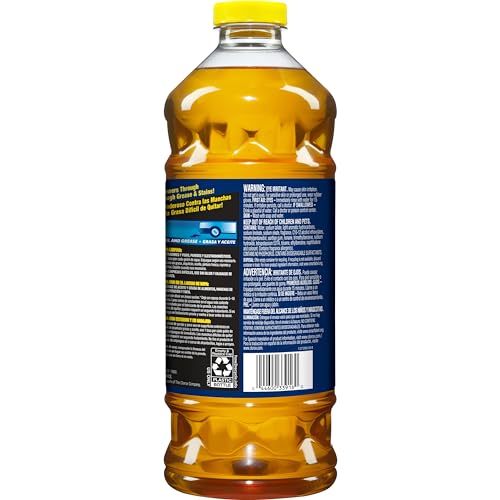
Lestoil Original relies on phosphate surfactants that surround oil molecules and suspend them in water, letting you rinse away what would otherwise smear or re-deposit. This chemical action works on both mineral oils — the kind that drip from engines — and vegetable oils that spatter during cooking.
Dilution ratios & application methods
Light cleaning
Mix one part Lestoil Original with thirty parts water for countertops, floors, and routine wipe-downs. This ratio lifts everyday fingerprints, food spills, and light dust without leaving residue.
Heavy degreasing
Use 1:10 or 1:5 for engine bays, workshop benches, and commercial kitchen equipment. Apply with a brush or sponge, let it sit thirty seconds, then scrub and rinse. For vertical surfaces, spray full-strength, wait one minute, and wipe clean.
Surface compatibility & safety notes
Lestoil Original is safe on sealed concrete, ceramic tile, porcelain, stainless steel, painted metal, and most laminates. It will not etch or dull these surfaces when rinsed promptly. Avoid prolonged contact with natural stone, unsealed wood, and aluminum — phosphates can discolor porous materials if left to dry.
Always rinse food-contact surfaces with water after degreasing. While our formula is non-toxic once diluted and rinsed, residual cleaner can impart a pine taste to cookware. Wear gloves if you have sensitive skin; the concentrated liquid can dry hands during extended use. Ventilate enclosed spaces when cleaning large areas — the pine scent is strong but harmless.
What makes this formula work
Lestoil cleaners for every job


Customer reviews
Common questions about Lestoil Original
Lestoil Original works safely on sealed concrete, ceramic tile, vinyl, and laminate floors when diluted and rinsed. Avoid using it on natural stone, unsealed wood, or waxed surfaces — phosphates can dull or discolor porous materials. For hardwood or marble, test in a hidden area first. Always rinse thoroughly after mopping to prevent residue.
Mix one part Lestoil with thirty parts water for light cleaning tasks like countertops and routine mopping. For moderate grease — stovetops, range hoods, garage benches — use a 1:10 ratio. Apply full-strength only on heavy oil stains, tar, or adhesive residue, and always rinse afterward.
Yes, Lestoil Original is designed for pre-treating grease and oil stains on work clothes, uniforms, and shop rags. Pour a small amount directly onto the stain, rub the fabric together, and launder as usual. Test on delicate or brightly colored garments first to ensure colorfastness. Do not pour it into the washing machine drum with other detergent — apply it as a spot treatment before washing.
Lestoil uses phosphate surfactants that chemically break the bond between oil and surfaces, while dish soap relies on scrubbing action and hot water. Our formula works in cold water and on porous materials like concrete where soap just smears the stain. It also handles industrial oils, tar, and baked-on carbon that mild detergents cannot dissolve.
The pine scent is noticeable during application but dissipates as the surface dries. Rinsing with water speeds the process. If you are sensitive to fragrance, ventilate the area while cleaning. The smell does not transfer to fabrics after laundering, and it fades completely from hard surfaces within an hour of rinsing.
No, never mix Lestoil Original with bleach, ammonia, or other household chemicals. Combining cleaners can produce harmful fumes and reduce effectiveness. Use Lestoil on its own, rinse the surface completely, and allow it to dry before applying any other product if needed.
That depends on dilution and frequency of use. A standard bottle diluted 1:30 for everyday cleaning can yield dozens of applications. For heavy-duty jobs at 1:10 or full-strength spot treatments, you will use more per cleaning session. Most households report a bottle lasting three to six months with regular use in the garage and kitchen.