What Is Lestoil? Understanding This Heavy-Duty Cleaner & How It Works
If you’ve ever faced a grease stain that won’t budge or a sticky residue that ordinary cleaners can’t touch, you’ve probably wondered what is Lestoil and whether it’s the right tool for the job. We created Lestoil decades ago as a concentrated formula designed to tackle the kinds of messes that make other cleaners give up — engine oil on concrete, cooking grease on stovetops, adhesive marks on vinyl.
Unlike all-purpose sprays that rely on surfactants alone, our cleaner uses a petroleum-distillate base that dissolves oils and tars on contact. That makes it exceptionally strong, but it also means you need to understand what you’re working with. This guide walks through the formula, the science behind it, and the best ways to put Lestoil to work in your home or shop.
The Formula Behind Lestoil’s Cleaning Power
Lestoil is a concentrated petroleum-based cleaner — specifically a blend of refined distillates, surfactants, and pine oil. The petroleum distillates act as solvents that break down oil, grease, tar, and adhesive residues by dissolving their molecular bonds. Most household cleaners rely on water and detergents alone, which can emulsify light oils but struggle with heavy petroleum products or dried-on cooking grease.
Pine oil contributes both degreasing action and the product’s distinctive scent, while surfactants help the formula spread and rinse away more easily. Because it’s a solvent rather than a detergent, Lestoil works on materials that water-based cleaners can’t penetrate — think asphalt stains on shoes, motor oil on garage floors, or the black grime that accumulates behind kitchen appliances. The trade-off is that you need ventilation and care around certain surfaces, which we’ll cover in the safety section below.
Where Lestoil Outperforms Standard Cleaners
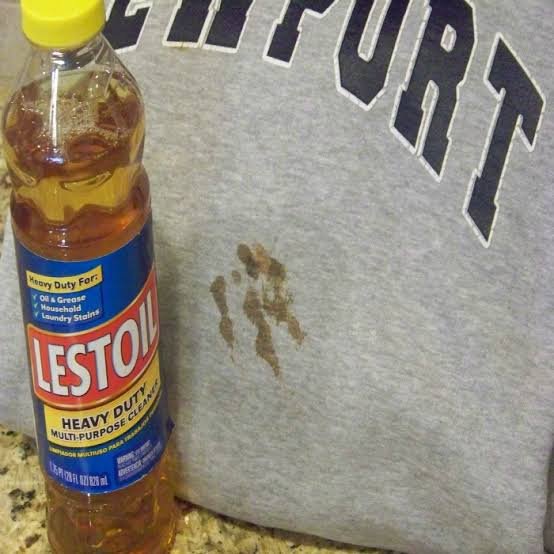
You’ll see the difference most clearly on jobs involving petroleum products, cooking oils, and sticky residues. Concrete driveways stained with motor oil, stovetops coated in baked-on grease, and laundry stained with diesel or heating oil all respond to our heavy-duty multi-purpose cleaner in ways they don’t to dish soap or all-purpose sprays.
One less obvious application is adhesive removal — price-tag residue, tape marks, and sticker glue dissolve quickly with a small amount of Lestoil on a cloth. The same property makes it useful for cleaning paint-splattered tools and removing wax buildup from floors. Because it’s concentrated, a little goes a long way: typical dilution ratios range from one part cleaner to thirty parts water for light jobs, down to full strength for stubborn stains. That concentration also means the product lasts longer than ready-to-use spray bottles, though it requires more care in handling.
Safety Considerations & Proper Handling
Using Lestoil Around the Home
Because petroleum distillates are flammable and can irritate skin or mucous membranes, safe use starts with reading the label. Always work in a ventilated area — open windows or run an exhaust fan — and avoid using the product near open flames or pilot lights. If you’re applying it full strength, wear gloves to protect your skin from prolonged contact.
We don’t recommend Lestoil for food-contact surfaces unless you rinse thoroughly afterward, and it’s not suitable for use on certain plastics, rubber, or finished wood that might be damaged by petroleum solvents. A quick spot test on an inconspicuous area will tell you if a surface can handle the formula. For details on Lestoil ingredients and safety protocols, including first-aid guidance and proper storage, consult the product label or our full ingredient disclosure. According to the Wikipedia entry on cleaning agents, solvent-based cleaners like Lestoil fall into a category distinct from water-based detergents, requiring specific handling and disposal practices.
Dilution & Application Methods
For general cleaning — countertops, tile, or painted walls — dilute roughly two tablespoons per quart of water and apply with a sponge or cloth. For laundry stains, add a capful directly to the wash or pre-treat the stain with a few drops before washing. Full-strength application is reserved for the toughest jobs: pour a small amount onto the stain, let it sit for a minute, then scrub and rinse. Always test colorfastness on fabric before treating a large area.
Comparing Lestoil to Other Heavy-Duty Options
Shoppers often ask how our cleaner stacks up against ammonia-based degreasers, citrus solvents, or enzyme cleaners. Ammonia excels at cutting grease on glass and non-porous surfaces but lacks the solvent power for tar or adhesive. Citrus-based products like d-limonene cleaners offer a less aggressive scent and work well on light oils, but they don’t match petroleum distillates for dissolving heavy petroleum residues.
Enzyme cleaners target organic stains — blood, food proteins, pet messes — through biological breakdown rather than solvent action, so they’re effective on entirely different soil types. If you’re choosing between our concentrated cleaner formulas and a citrus degreaser, the decision comes down to the stain’s chemistry: petroleum-based messes favor Lestoil, while plant-based or water-soluble grime can often be handled with milder alternatives. For truly stubborn jobs — think years of baked-on oven grease or driveway oil stains — the solvent approach remains unmatched.
Choosing the Right Cleaner for Your Toughest Jobs
Understanding what Lestoil is — a concentrated petroleum-solvent cleaner built for heavy degreasing — helps you decide when to reach for it and when a milder product will do. If you’re dealing with oil-based stains, adhesive residue, or baked-on grease that other cleaners can’t touch, our formula delivers results that water-based alternatives simply can’t match.
The key is using it safely: proper dilution for everyday tasks, full strength only when necessary, and always with adequate ventilation and surface compatibility in mind. When you match the right cleaner to the job, even the messiest projects become manageable.
Notes
Lestoil is designed for heavy-duty degreasing and stain removal on non-porous surfaces, laundry, and concrete. It excels at dissolving motor oil, cooking grease, tar, adhesive residue, and similar petroleum-based messes that water-based cleaners can’t handle. Common applications include garage floors, stovetops, work clothes stained with oil or diesel, and tools splattered with paint or grease.
No — while Lestoil is safe for concrete, tile, metal, and most painted or sealed surfaces, it can damage certain plastics, rubber, unfinished wood, and delicate fabrics. Always spot-test in an inconspicuous area first, and avoid using it on food-contact surfaces without thorough rinsing. The product label lists specific cautions for different materials.
For general cleaning, mix approximately two tablespoons of Lestoil per quart of warm water. For tougher grease or stains, increase the concentration or apply the product at full strength, let it sit for a minute, then scrub and rinse. Always start with a more diluted solution and increase strength only if needed.
Yes — Lestoil can be added to laundry as a pre-treatment or directly into the wash cycle. For greasy work clothes or fabric stained with oil, apply a small amount directly to the stain before washing or add a capful to the machine along with your regular detergent. Test colorfastness on dark or delicate fabrics first.
The distinctive scent comes from pine oil and petroleum distillates in the formula. Pine oil is both a degreasing agent and a fragrance component, while the petroleum base contributes an industrial odor. The scent is strongest when using the product at full strength or in enclosed spaces — adequate ventilation minimizes it.
Yes — Lestoil is particularly effective on concrete driveways and garage floors stained with motor oil, transmission fluid, or other petroleum products. Apply the cleaner full strength to the stain, scrub with a stiff brush, let it sit for several minutes, then rinse thoroughly with water. Older or deeply set stains may require repeated applications.